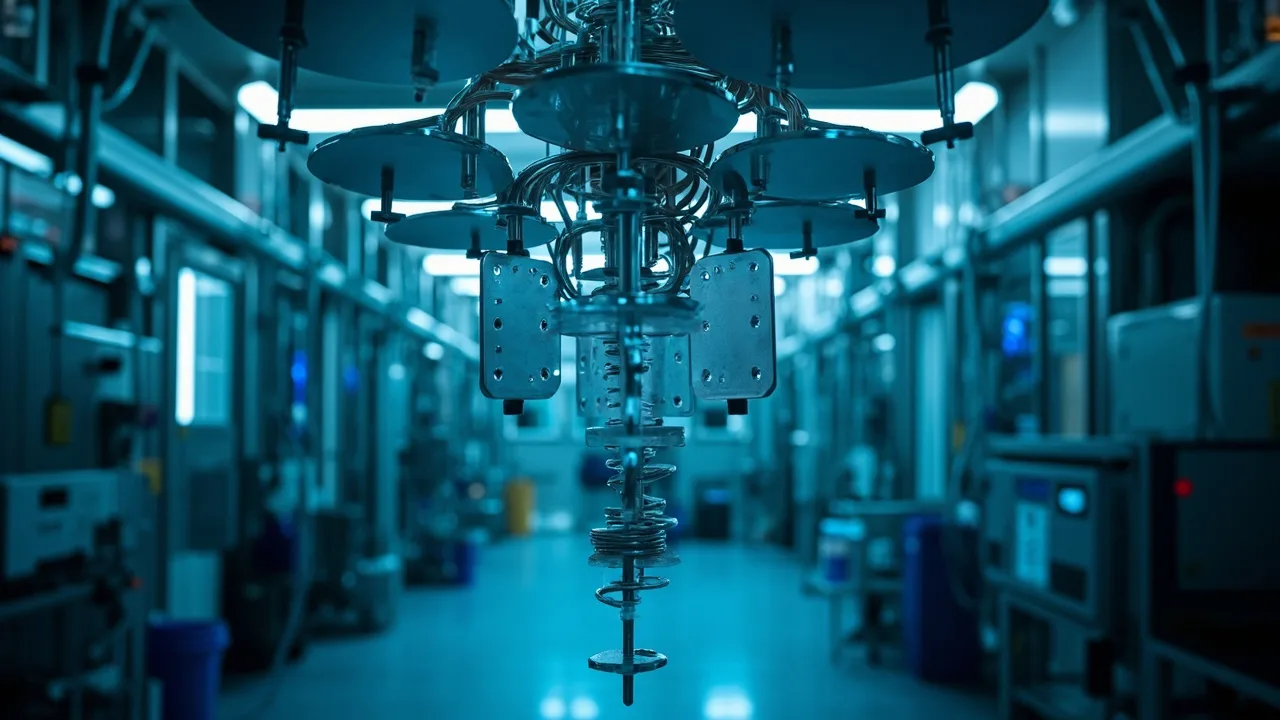
An Intel newsroom explainer outlines what quantum computing is, what it might be used for, and how far it has actually progressed. Unlike everyday computers that process bits as either zero or one, quantum computers use qubits that can hold a blend of both states, letting them explore a vast number of combinations in ways conventional machines cannot.
Possible applications cited include chemistry simulations for new medicines, understanding airplane fluid dynamics, optimizing complex investment portfolios and designing better batteries.
The article is explicit about current limits: experiments have shown quantum computers outperforming classical computers by a ratio of hours to years on certain specialized calculations, but those demonstrations do not yet have practical real-world utility, and today's systems have not solved large-scale real-world problems.
On access, most people are not expected to own a quantum computer; instead programs would be submitted and run remotely on machines potentially housed in data centers, similar to high-performance computing centers, with researchers, universities and businesses already accessing quantum time remotely.
The piece notes that building a useful system requires turning unusual quantum behavior into a controllable computing system, combining physics, computer engineering and chemistry, and quotes Intel's Anne Matsuura and Jim Clarke in explaining the concept and their vision.